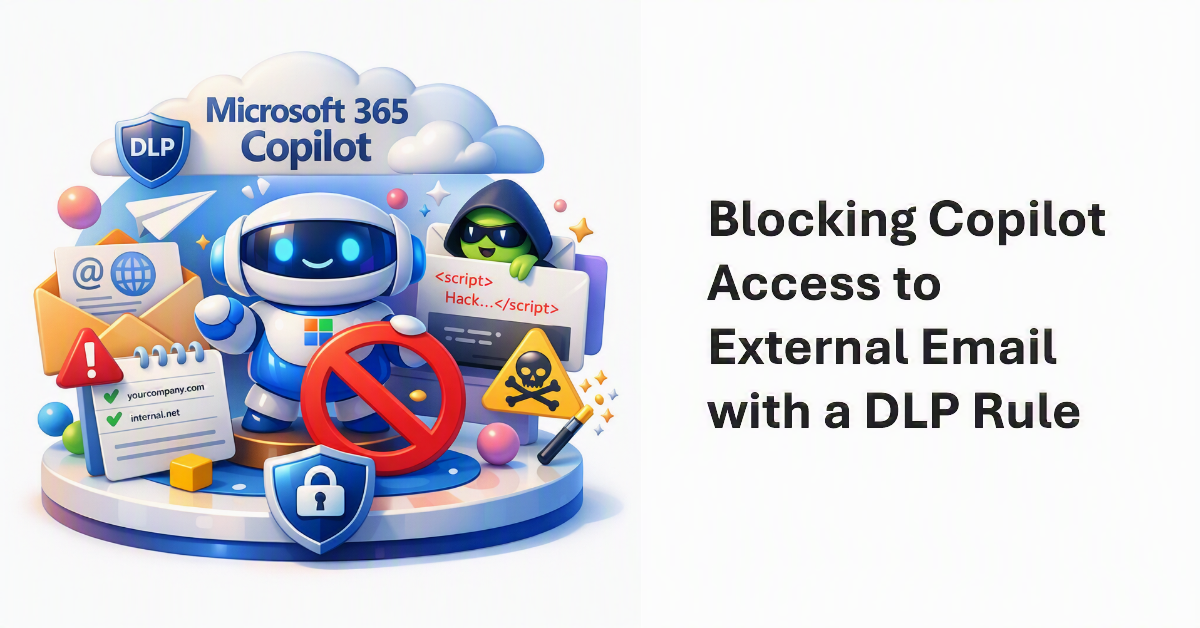
A new (preview) DLP capability allows Microsoft 365 tenants to block Microsoft 365 Copilot from processing the content of external email. When set, any message coming from a domain that’s not in a tenant’s accepted domain list is blocked for Copilot for grounding, referencing, or summarization. It’s an effective way of blocking threat like prompt injections transmitted in email too, but some people might not like blocking all their external email.
In December 2024, Microsoft introduced a control to block responses to sentiment-related prompts in Teams meeting chat. Now that block extends to every Teams user following a consolidation of the Teams meeting implementation of chat with Microsoft 365 Copilot. Basically, the block stops Copilot responding to prompts that look for opinions about emotions, judgement, or evaluations of other meeting participants. It’s a good thing.
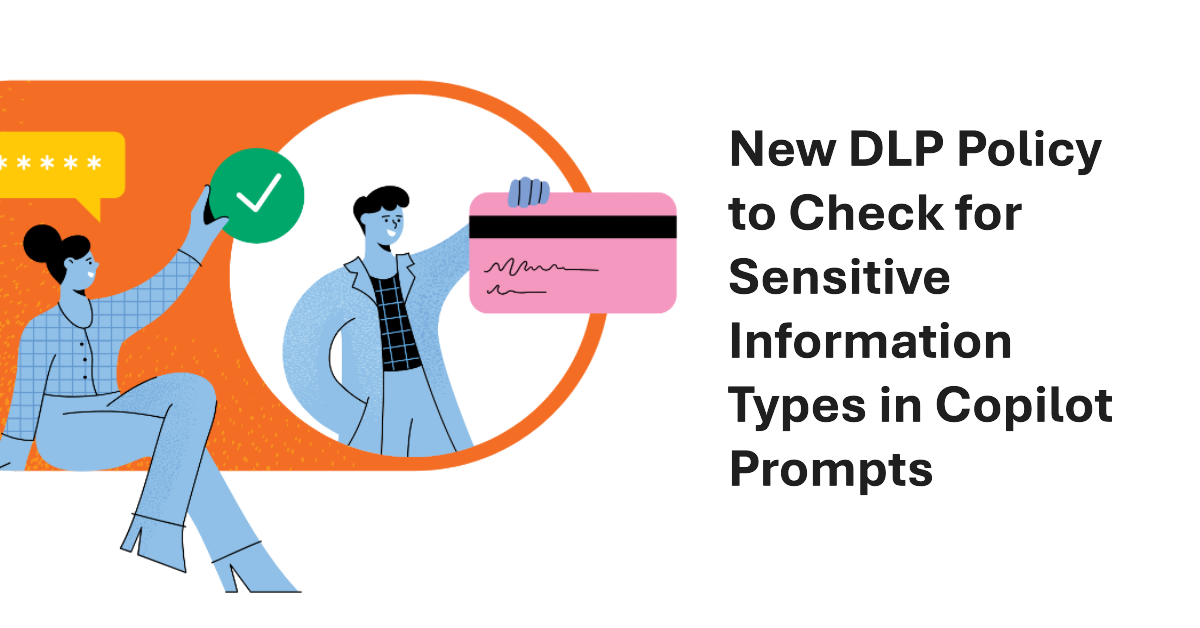
A new DLP policy for Copilot prompts monitors blocked sensitive information types like credit card numbers to stop their use in Copilot prompts. The new policy can’t be combined with the existing DLP policy for Copilot, which checks for files with specific sensitivity labels to prevent Copilot from using their content in its responses. But that’s OK because the two policies do very different work.
The rollout of the Copilot Chat integration with the Microsoft 365 apps has started, with the intention of making it easier to use AI in peoples’ work. Nice as the integration is, the news that an Open in Word action button is coming (soon) to allow content generated by Copilot to be edited in Word is even better. And we round out the week with a note about a change to the domain used by Teams.
In late August, Microsoft plans to release the Copilot summarize email thread feature in Outlook clients without the need for a Microsoft 365 Copilot license. This news might seem surprising, but it’s simply a matter of business. If Microsoft doesn’t make basic AI features available in Outlook, ISVs (including OpenAI) will fill the gaps with add-ons. And that might make it harder to sell Microsoft 365 Copilot licenses.